|
Holy Trinity |
|
|
Dear Preachers:
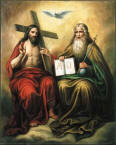
First some background. Today is the feast of “The Most Holy Trinity.” At first glance it may seem like an unusual celebration. We are used to the major feasts of the year celebrating particular events in the life of Christ: e.g. the Nativity, Easter, the Ascension. But today’s feast isn’t originally based on one event in the life of Jesus. Instead, it arose from the Church’s desire to honor the mystery of God revealed as Father, Son and Holy Spirit.
From the earliest centuries Christians were already praying and baptizing in the name of the Trinity, as Jesus taught in Matthew 28:19. “Go therefore and make disciples of all the nations. Baptize them in the name of the Father, the Son and the Holy Spirit.”
The early creeds of the Church, especially the Apostles’ Creed and the Nicene Creed, with deeply Trinitarian. Christians believe in one God, yet expressed God as Creator, Redeemer and Sanctifier. In the fourth century major theological controversies forced the Church to clarify its teaching on the Trinity, addressing such questions as the divinity of Christ, or the Holy Spirit.
The great teachers of the time, such as, Athanasius, Basil, Augustine, etc. defended the doctrine: the Father, Son and Holy Spirit are equal and eternal: three persons in one God. In 325 the Councils of Nicaea and Constantinople (381) helped to define the teaching of the Trinity more clearly. At our liturgical celebrations today we will recite the Nicene Creed.
We celebrate today’s feast on the Sunday after Pentecost. This is meaningful: after celebrating the coming of the Holy Spirit at Pentecost we pause to contemplate the fullness of God’s inner life revealed to us through salvation history. But remember: the feast of the holy Trinity is not simply doctrine to be explained, but a mystery to live out in our daily lives. God is an eternal communion of love, and we are invited into that communion through Christ in the Holy Spirit.
Before we move to the Gospel’s teaching let’s look at traces of the Trinity in the Hebrew Scriptures. In our reading from Exodus, Moses encounters God on Mount Sinai, after the tragedy of the golden calf. The people had broken their covenant, yet God doesn’t come forth punishing them but extending mercy.
God passes before Moses and proclaims God’s name and character: “The Lord, the Lord, a merciful and gracious God, slow to anger and rich in kindness and fidelity.” This passage shows us the Trinity is not simply a doctrine about God’s inner life; it is a revelation of who God is towards us.
The Trinity teaches that God is a communion of love: Father, Son and Holy Spirit. Exodus is already giving us hints of that divine love. Today we are reminded that God is personal, compassionate, forgiving and faithful. The God of Moses meets is not distant, vengeful or cold, but One who desires covenant and closeness to the chosen people, despite their resistance. We Christians will come to see that this mercy is fully revealed in the Father who sends the Son and in the Holy Spirit who remains with the Church.
Note Moses’ response. He bows down in worship and asks God to remain with the people. “If I find favor with you, O Lord, do come along in our company. This is indeed a stiff necked yet pardon our wickedness and sins and receive us as your own.” The Trinity is not simply a teaching to be explained; it is a mystery into which we are invited. We are drawn into the life of our God through forgiveness, covenant and communion.
So, our Exodus reading invites us to enter and celebrate the Feast of the Holy Trinity by revealing the deepest and most intimate truth about God: God’s nature is merciful love, faithful presence and saving communion with humanity.
The gospel today presents again the central message of the Bible: God loves the world. Instead of coming down on us humans for our sins God loves us, frees us from our guilt and offers us eternal life. The opening verse (3:16) is a summary of the whole gospel message, “God so loved the world….” In a few words we come face-to-face with the mystery of who our God is and how God has acted towards us. If you can tell a tree by its fruit, then you can learn about God by what God has done for us: loved us and demonstrated that love by the concrete sign of Jesus’ life. Love is what moves God to get involved with us. And more, Jesus tells us, God wants to give us eternal life now.
Today’s gospel passage is from a conversation Jesus is having with Nicodemus. Jesus tells him that we can put faith in Jesus and what he reveals about God’s love for us – or we can self-judge ourselves by rejecting Jesus. If we do put faith in Jesus we have eternal life. We usually think of “eternal life” as something that will begin for us at the moment of death and go on and on without end. But that’s not what eternal life is in John. Jesus says that believers can “have eternal life.” He is speaking in the present tense and is offering the gift of eternal life to us – beginning right now!
What might this gift of “eternal life” look like in our lives? First of all, it is union in the very life of God. We have that intimacy with God through our union with Christ and the Holy Spirit in Baptism. This union frees us from fear of judgment. In Jesus we can see the true nature of our God – who already loves us. Now we are living in a new age and have passed from death to life. For John, Jesus is our saving gift in this present moment and through the Spirit, believers can recognize God’s gifts already present to us. Not on our own human efforts, but through our faith, we can have optimism, peace and gratitude to God. We can also accept the challenge faith puts before us – to be instruments of the peace and reconciliation to others that Jesus has already given us.
No image can capture the holiness and greatness of our God. What words can describe God? God is more present to us than we are to ourselves. God is at the very core of our being; the source of all we are and can do. The contradiction we must admit today on this feast of the Trinity is this: the closer we get to God, the more alien we feel from our world and its ways. The closer and more comfortable we feel with our world, the more distinctively alien we are from the God the Scriptures reveal to us.
Click here for a link to this Sunday’s readings: https://bible.usccb.org/bible/readings/053126.cfm
QUOTABLE When it is asked three what, then the great poverty from which our language suffers becomes apparent. But the formula three persons was coined not in order to give a complete explanation by means of it, but in order that we might not be obliged to remain silent. —Gregory of Nazianzus, in “Christology of the Later Fathers,” Ed Hardy
“We were all given to drink of one spirit” —1 Corinthians 12: 13
Do you find it hard to believe sometimes that we have one spirit in common? On the surface we seem so different. We come with different life experiences and have such a variety of interests and causes that we feel take priority. . .the spirit seems to get lost in the weaving of lives and attitudes. Yet, if we keep that one spirit as our guide, our lives will be formed in a transformed way. Pentecost is not just another day.
If we had a picture of a person of spirit, what would we notice about them? Looking beyond the superficial, would we discover a person touched by the dove of peace, a person on fire with passion and love for others, a person who is just and life-giving like water? Looking further at that person, would we discover the creative wind of service in their actions? Would we not notice them at all? A person of spirit can appear as ordinary as anyone else and at the same time, full of revealing light.
At Pentecost, the Holy Spirit empowers the believer to spark the flame of this inner person who is so hidden. Announcing we are loved and anointed in an incomparable peace, we are to spread this love and peace to others, including, and especially, those who are not like us. We begin to see as God sees and act as God acts. God’s priorities for a just world become our priorities. The prophet Joel states that God will one day pour out divine spirit “upon all mankind” (Joel 3:1). Joel envisioned a world in which all people would be enlivened and transformed by the divine life breathing within them. This is a world-altering change in your own thinking and being. Pentecost will have arrived.
Imagine, just imagine, a people of spirit creating a world of unity amid diversity; a just world filled with love and peace for all.
Come, Holy Spirit, fill the hearts of your faithful and kindle in us the fire of your love.
Barbara Molinari Quinby, MPS, Director Office of Human Life, Dignity, and Justice Ministries Holy Name of Jesus Cathedral, Raleigh, NC
FAITH BOOK
Mini-reflections on the Sunday scripture readings designed for persons on the run. “Faith Book” is also brief enough to be posted in the Sunday parish bulletins people take home. From today’s first reading: (Exodus 34: 4b-6, 8-9)
Early in the morning Moses went up Mount Sinai Reflection:
Who is this God who is so revelatory to Moses? Who is this God who is about to take the Israelites, a broken and recalcitrant people and make them new again? This is the God who chooses to be with us, despite our own unworthiness.
This is the God who comes in a cloud; who may not be seen but certainly is experienced. And what do Moses and the people experience of this God? How shall they “name” God? Judging from today’s story God is patient and compassionate; takes the initiative to reach out to us; is not dissuaded by our sins; is faithful to us, even when we have built our own idols to worship; can take a broken people and make them whole again.
So, we ask ourselves:
· From my present experience: What name would I give God? · Has the reality of God changed for me in recent years? · What events in my life influenced that change?
POSTCARDS TO DEATH-ROW INMATES
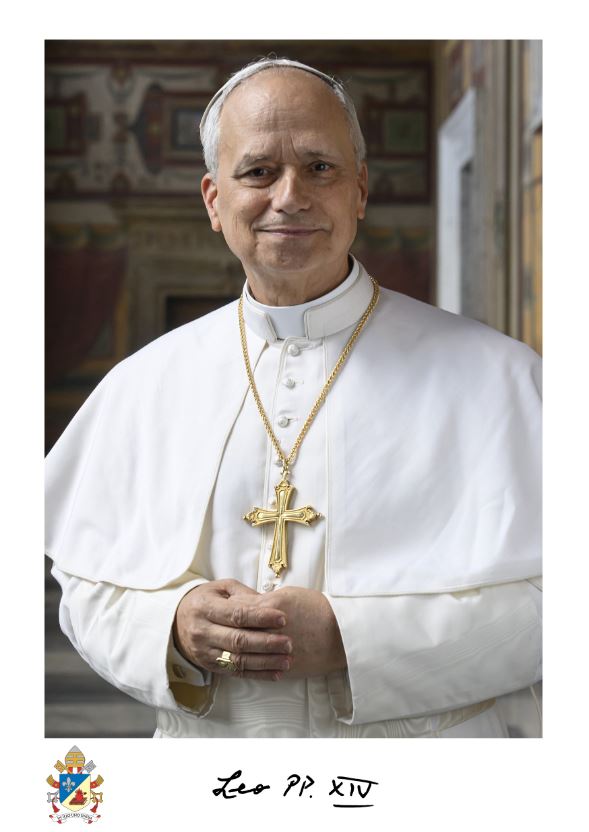
“I therefore join you in celebrating the decision made by the Governor of Illinois in 2011 and I likewise offer my support to those who advocate for the abolition of the death penalty in the United States of America and around the world.” -----Pope Leo XIV
Inmates on death row are the most forgotten people in the prison system. Each week I am posting in this space several inmates’ names and locations. I invite you to write a postcard to one or more of them to let them know that: we have not forgotten them; are praying for them and their families; or whatever personal encouragement you might like to give them. If the inmate responds, you might consider becoming pen pals.
Please write to: · Terrence Taylor #0539901 (On death row since 2/18/1997) · Johnny Parker #0311966 (3/24/1997) · Leroy Mann #0255136 (7/15/1997) Central Prison, P.O. 247, Phoenix MD 21131 (While the prison is in Raleigh mail for inmates is processed at this address) For more information on the Catholic position on the death penalty go to the Catholic Mobilizing Network: http://catholicsmobilizing.org
“First Impressions” is a service to preachers and those wishing to prepare for Sunday worship. It is sponsored by the Dominican Friars. If you would like “First Impressions” sent weekly to a friend, CLICK HERE. If you would like to support this ministry, please send tax deductible contributions to: Fr. Jude Siciliano, OP St. Albert Priory 3150 Vince Hagan Drive Irving, Texas 75062-4736
Make checks payable to: Dominican Friars.
Or go to our webpage to make a secure online donation: https://www.PreacherExchange.com/donations.htm
FREE EMAILS:
We have two English email lists available: a. A preacher's early reflections on the upcoming Sunday's readings and liturgy, always at least one week ahead of the Liturgical Calendar. “A tool to help Preachers prepare for their next trip to the Ambo.” Available in Spanish & English and authored by Fr. Jude Siciliano, OP. b. Click Here to Sign Up. 2. “VOLUME II”
If you would like to submit a reflection of your own, then Click Here to send it as a “Request to Post” to the Webmaster. Deadline is Monday of each week for the upcoming Sunday.
OUR WEBSITE:
https://www.PreacherExchange.com - Where you will find Preachers Exchange, which includes “First Impressions,” and “Volume 2” as well as articles, book reviews, daily homilies and other material pertinent to preaching and Scripture reflection.
FOR INFORMATION OF “ANY KIND” OR TO MAKE A SUGGESTION: Click Here
(Always includes the 6 latest reflections with the newest first.)
• |
|